
Women's Health as Infrastructure - The Investment Case for the Most Under-Leveraged Growth Strategy in the Global Economy
UNDER-LEVERAGED GROWTH
STRATEGY IN THE GLOBAL ECONOMY.























From Engineering to Infrastructure
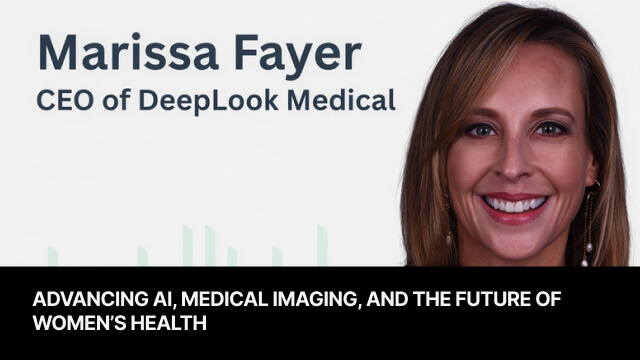
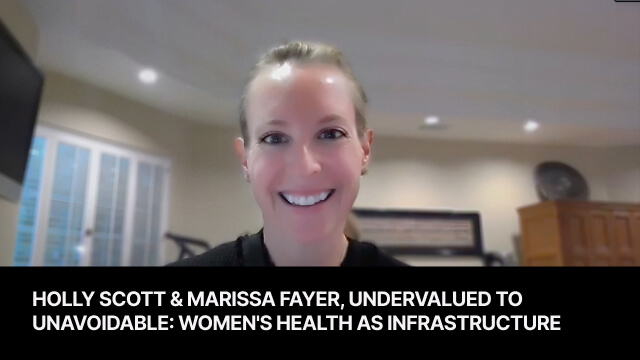
Marissa spent 25 years in medtech before writing the playbook on why women's health is infrastructure. She's led four venture-backed companies, raised capital globally, and navigated FDA clearance for an AI tool built to detect breast cancer in women with dense tissue.
Today she runs an AI diagnostics company, a global nonprofit, and sits on investment committees for funds focused on women's health, all built on the same thesis: women's health isn't a cause. It's infrastructure, and the returns on building it are massive.
How Marissa Works
HERhealthEQ started with a broken mammography unit on the coast of Costa Rica and a question: why are women dying from something we already know how to detect?
Today the nonprofit has reached over 128,000 women in twelve countries, deploying medical devices and diagnostic equipment for cancers affecting women, maternal health complications, and cardiovascular disease.
The equipment isn't donated and forgotten. It's matched, serviced, and integrated into local health systems because Marissa runs her nonprofit the way she runs her companies: with accountability, service contracts, and a clear line between impact and operational sustainability.
Marissa is CEO of DeepLook Medical, an AI diagnostics company that detects breast cancer earlier in women with dense breast tissue. She took DeepLook from concept through FDA clearance and into global commercialization. It's personal, too: Marissa has dense breast tissue herself. Before DeepLook, she spent over nine years at Hologic and a decade building a consulting firm focused on executive leadership, strategic growth, and commercialization for medtech and life science companies. She's held executive roles at companies of every size, and her conviction hasn't changed: the women's health market isn't small. It's just been systematically underestimated.
Marissa works with medical device and life science companies around the world on commercialization strategy, M&A transactions, and growth planning. She also sits on the investment committee for funds focused on women's health globally, helping scale innovative technology from early-stage ventures through market entry.
She serves on the boards of several private companies and advises them toward growth in women's health and international markets. The advising work isn't separate from the rest. It's where the infrastructure argument meets the people writing the checks.
The Talk That Changes the Room
Where the Case Lands






treating Women's Health as Infrastructure.