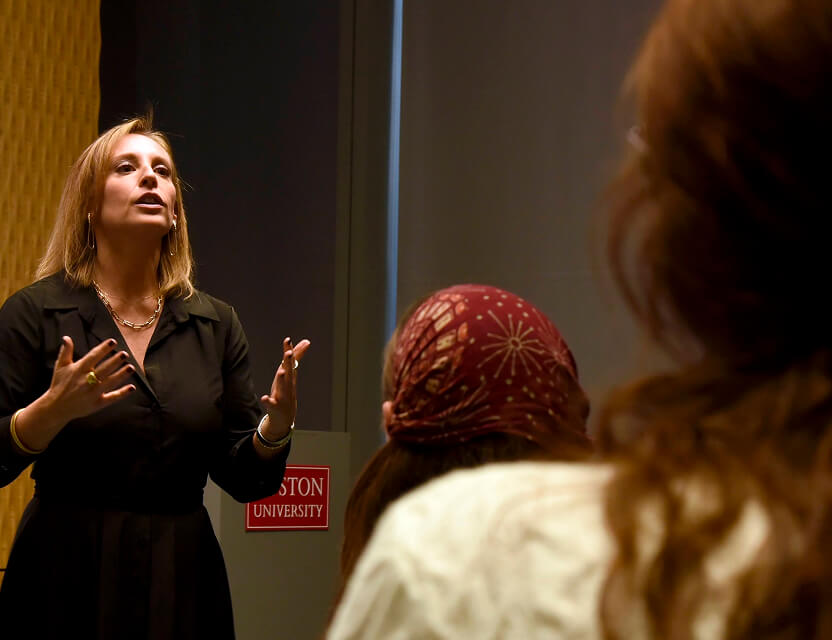
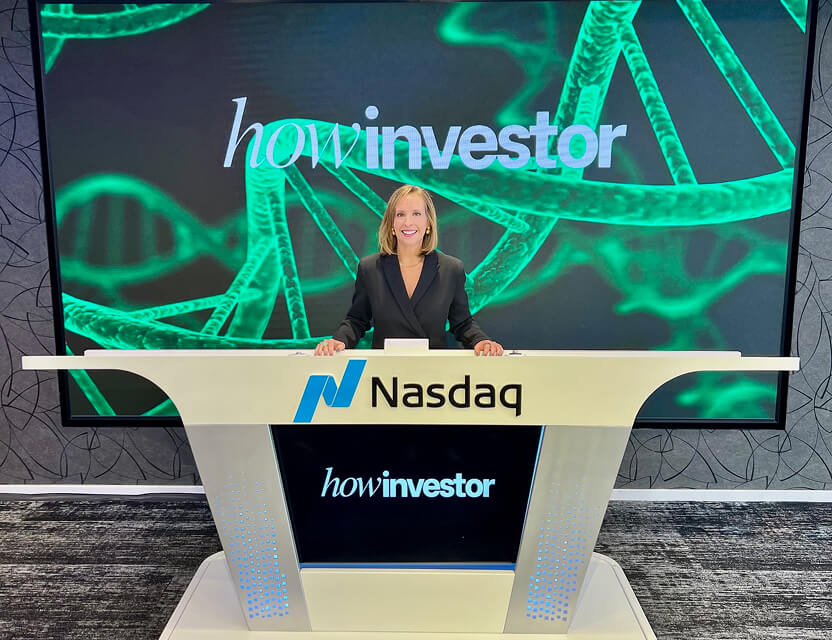
Operator. Investor. Founder.
FOR GLOBAL GROWTH.
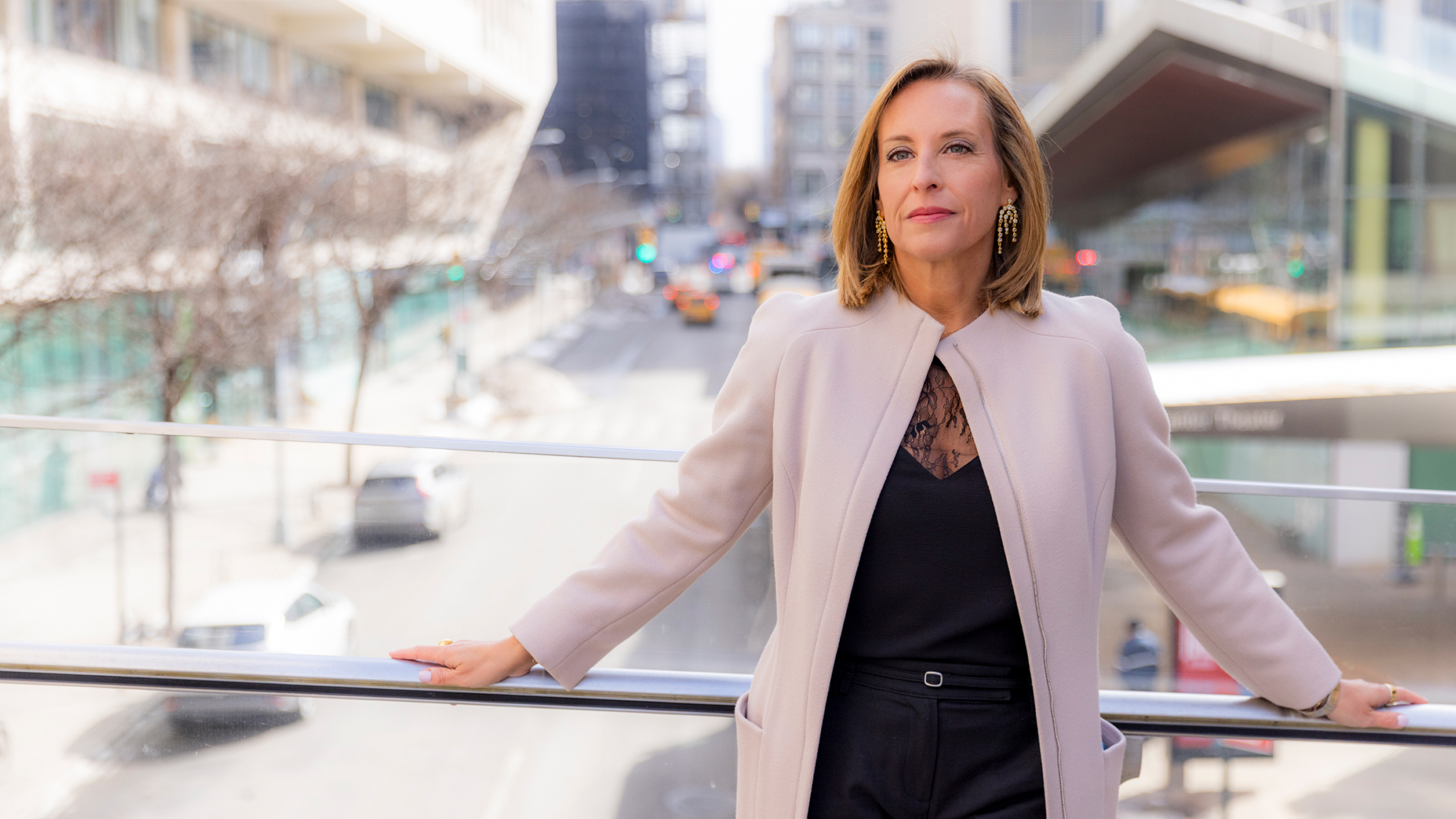
A Broken Machine on the Coast of Costa Rica
Marissa wanted to be an astronaut.
She interned with aerospace companies, studied Manufacturing Engineering (after first starting in Aerospace Engineering) at Boston University, and was ready to build things that flew. Then the aerospace cycle crashed, a medical device company recruited her, and she never looked back.
She spent the first 15 years of her career inside companies like Hologic, Olympus, and Maquet Getinge, designing and commercializing the equipment that screens, diagnoses, and treats the conditions women face. The work took her everywhere: she lived in Canada, Mexico, throughout the U.S., and Costa Rica at various points and worked in the Dominican Republic and Mexico, and the experience of watching healthcare systems up close in countries where "access" meant something completely different from what it means in New York reshaped how she thought about the industry. She was good at the corporate work. Even inside the companies doing the most for women's health, she kept noticing the same pattern playing out everywhere else: boardrooms reviewing product pipelines and skipping women's health entirely. The market was too small, the data wasn't there, and it wasn't a priority this quarter. It was never malicious. It was structural, and it was everywhere.
The turning point came in Costa Rica. Marissa had moved there for a project management role after an acqusition, and one night she was sitting at a bar with a friend who told her that women on the coast were dying of breast cancer because the region's only mammography unit had been broken for years. The capital of the country was six hours away. Marissa's career had been spent working with exactly the company that manufactured this equipment. Her response was simple: "Let's get them one."
She found a repurposed mammography machine sitting unused in a warehouse and worked with the Costa Rican government, the U.S. embassy, a local NGO, the company she was working for, and a hospital to get it installed. Several years later, the mortality rate in that region dropped tenfold. One piece of equipment that would have been thrown away in the U.S. saved hundreds of lives on the other side of the hemisphere.
That's how HERhealthEQ was born. Not as a grand philanthropic vision, but as an engineer's response to a solvable problem: $765 billion in medical equipment has been classified as waste in the US in recent years, and women in developing countries are dying for lack of technology that's sitting in a storage facility somewhere. The organization now operates in twelve countries and has reached over 128,000 women.
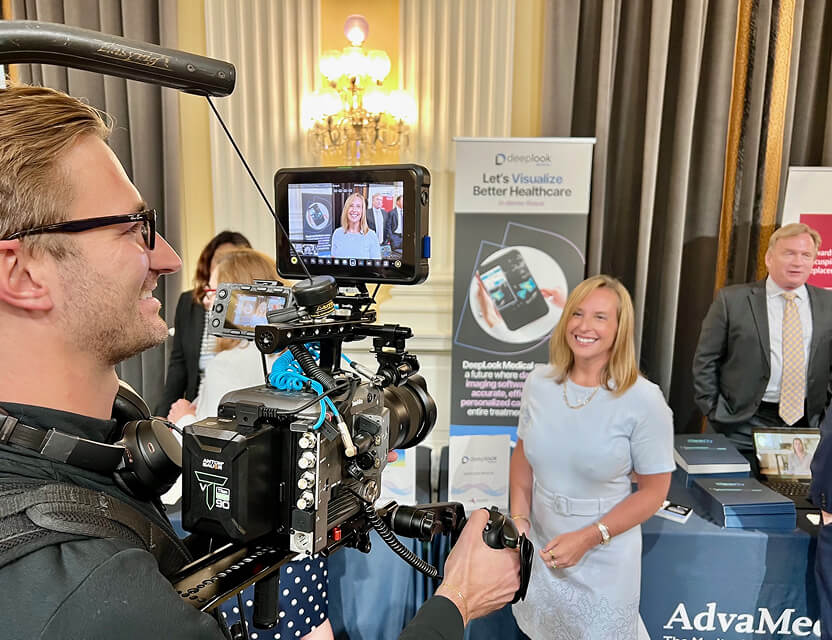
But Marissa didn't stop at the nonprofit. She became CEO of DeepLook Medical, an AI diagnostics company that detects breast cancer earlier in women with dense breast tissue, the condition that Marissa herself has. She consulted for an AI maternal health company. She joined investment committees and corporate boards where the funding decisions actually get made. And she wrote the book she'd been building the argument for over 25 years: Undervalued to Unavoidable, the investment case and playbook for treating women's health as infrastructure.
She's not a policy commentator or an academic researcher. She's an operator who has raised capital, navigated FDA approvals, managed P&Ls, built distribution channels on five continents, and spent 25 years proving that the biggest untapped growth opportunity in global healthcare is the one the world keeps calling niche.
Four Lanes, One Thesis
Most people in women's health and medtech pick one lane. Marissa operates in four simultaneously, and each one makes the others stronger.
Executive
CEO of DeepLook Medical. Took an AI breast cancer detection technology from concept through FDA clearance and into global commercialization.
Author
Wrote Undervalued to Unavoidable, the investment case and operator's playbook for treating women's health as the infrastructure it is.
Speaker
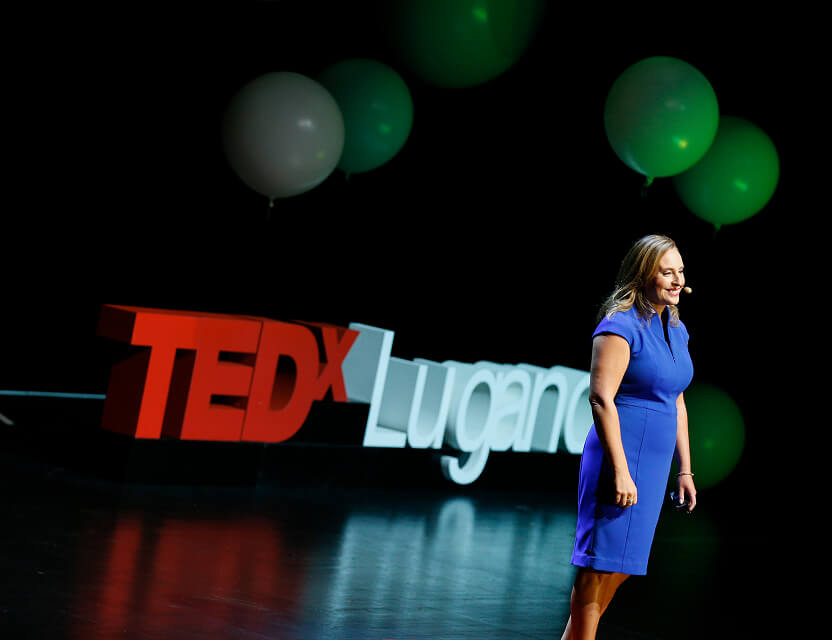
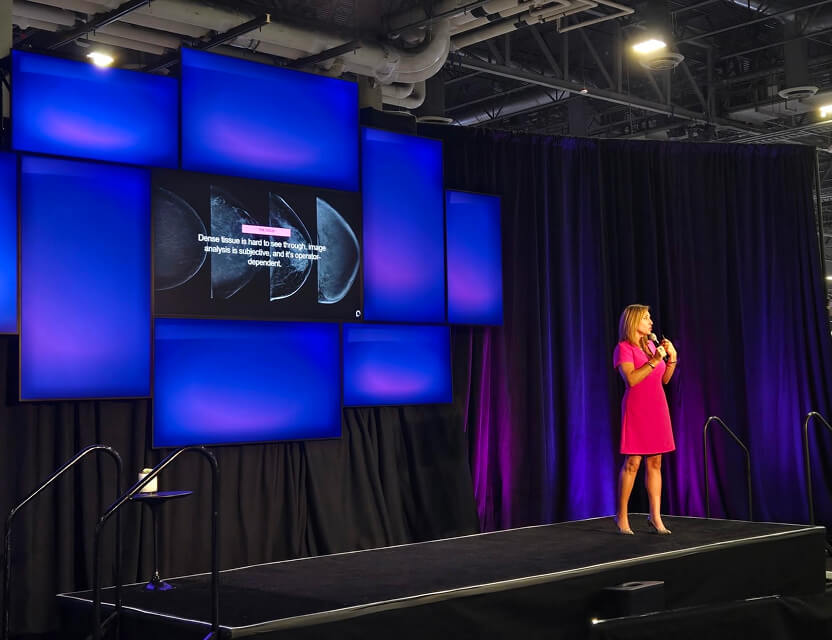
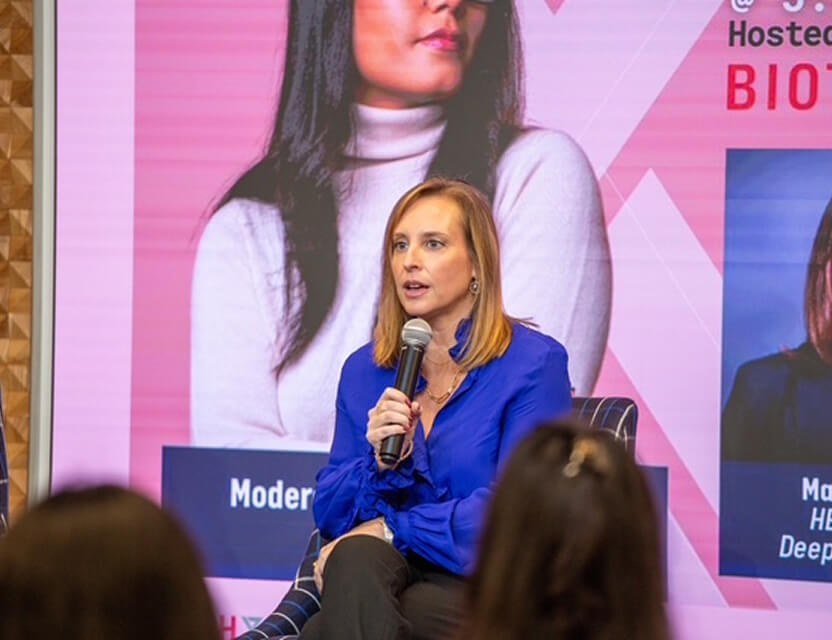
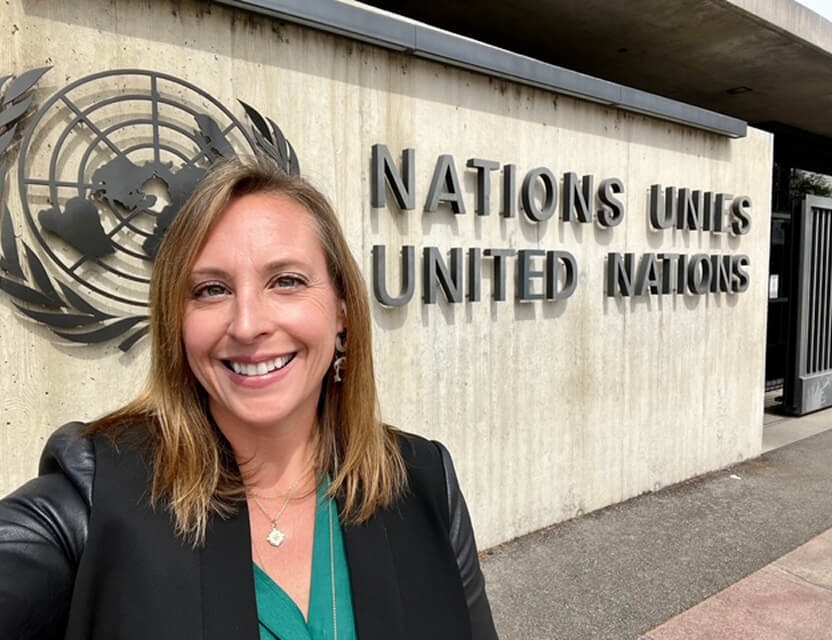
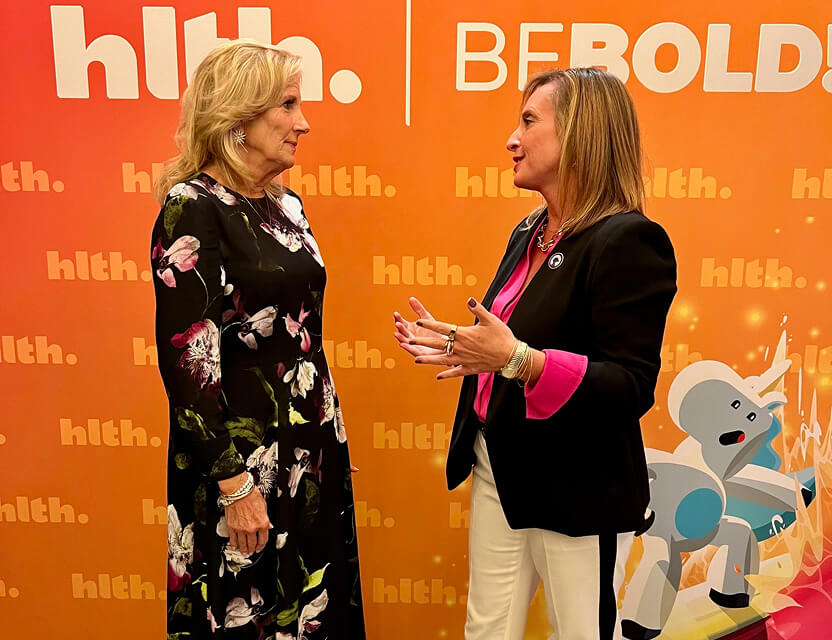
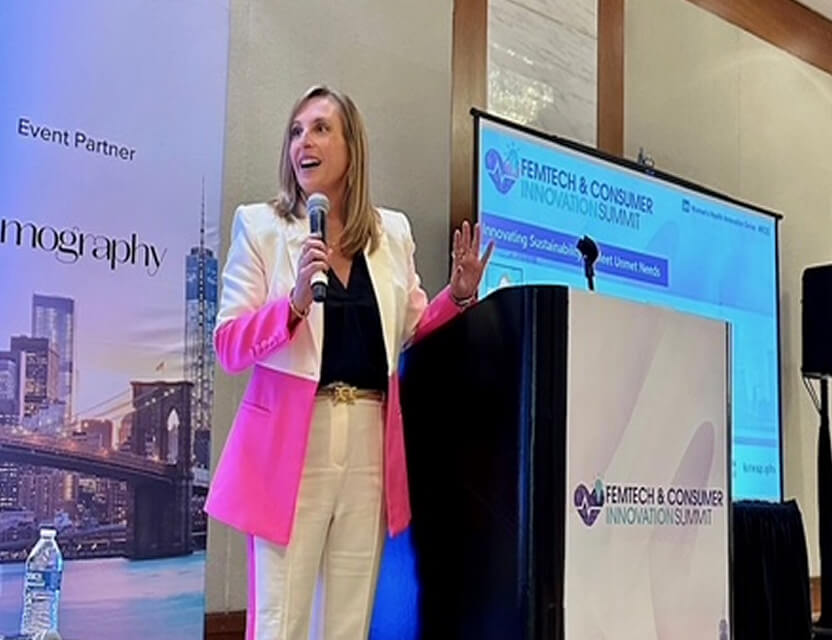
Brings the data, the operational experience, and the bluntness to TEDx, the United Nations, HLTH, and corporate leadership forums around the world.
Investor
Sits on investment committees for funds focused on women's health globally. Backs early-stage startups innovating in women's health and medtech.
”When you invest in women’s health as infrastructure, you’re not just investing in half the population. You’re investing in the stability and prosperity of the whole world.”